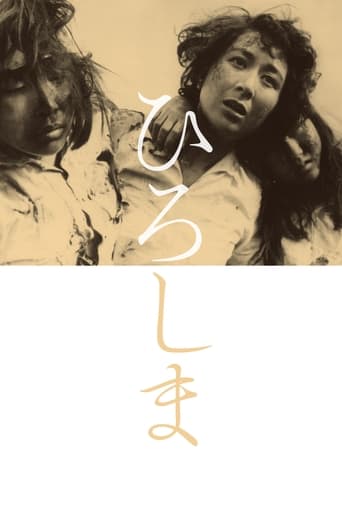
히로시마 (1953)
ひろしま
세키가와 히데오 감독. 1955년 제5회 베를린 영화제 장편영화상 수상작. 히로시마의 원폭 피해자들의 수기를 엮은 문집 '원폭의 아이, 히로시마의 소년소녀의 호소'를 바탕으로 영화화. 일본교직원조합 제작. 히로시마의 중고생, 교직원, 일반시민이 약 88,500명이 엑스트라로 참여했다고 한다.
출연진
- 山田五十鈴 — Mineh Obah
- 岡田英次 — Kitagawa
- 加藤嘉 — Hideo Endo
- 月丘夢路 — Miss Yonehara
- 月田昌也 — Yukio Endo as a teen
- 原保美
- 河原崎しづ江
- 岸旗江
- 利根はる恵
- 神田隆 — Senda
- 徳永街子
- 薄田研二 — Dr. Nishina
흥미로운 사실
Hiroshima (ひろしま) is a 1953 Japanese docudrama film directed by Hideo Sekigawa about the atomic bombing of Hiroshima and its impact on a group of teachers, their students, and their families. The film was based on the eye-witness accounts of the hibakusha children compiled by Dr. Arata Osada for the 1951 best-selling book Children Of The A Bomb: Testament Of The Boys And Girls Of Hiroshima , and was filmed with the support of tens of thousands of Hiroshima residents.
Production
After the end of Allied occupation of Japan, the Japan Teachers Union (JTU) commissioned an adaptation of Children of the A-Bomb, a well-known book of testimonies of hibakusha children. The union had formed in part due to the collective guilt of teachers for their part in wartime militarism, and was keen to address the subject of the atomic bombings in cinema.
The film's production was a collaboration with the residents of Hiroshima. Survivors of the bombing, labor union members, and other residents of the city comprised the large number of extras used in the film numbered up to 90,000. Their presence helped recreate the sense of mass confusion in the scenes of the bombing's aftermath.
Hiroshima-born lead actress Yumeji Tsukioka appealed to the production company with whom she was under contract, Shochiku, to let her act in the film without payment. She stated that she wanted to "contribute to society and help deter 'largescale wars.'"
위키백과에서 더 읽기 · 텍스트 출처: 위키백과, CC BY-SA 4.0. 데이터 출처: Wikidata.
추천
- 맨발의 겐 1983 · ★ 7.7
- 맨발의 겐 2 1986 · ★ 6.9
- 검은 비 1989 · ★ 7.6
- 맥아더: 일본 침몰에 관한 불편한 해석 2012 · ★ 6.2
- 대나무집 1955 · ★ 6.2
- 울람: 오펜하이머 그 후 2021 · ★ 6.1
- 아라라트 2002 · ★ 6.1
- 라듐 걸스 2020 · ★ 6.6
- 하운드독 2008 · ★ 6.5
- Panther 1995 · ★ 6.3
- 웨이팅 포 안야 2020 · ★ 6.3
- 뮌헨: 전쟁의 문턱에서 2021 · ★ 6.9