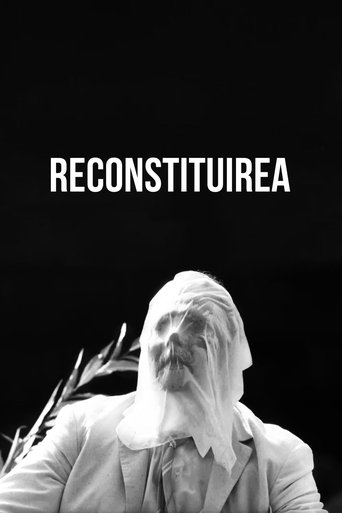
Реконструкция (1968)
Reconstituirea
Двое юношей предстают перед судебными властями за пьяную драку в пивном баре, приведшую к ранению официанта. Так как для каждого из них это первое нарушение общественного порядка, прокурор соглашается отпустить их, заменив наказание съёмками учебно-воспитательного фильма, воспроизводящего события рокового вечера в назидание другим подросткам. В ходе этих мучительных съёмок молодые люди проходят через целый спектр острых переживаний и размышлений о жизни и обществе, в котором живут.
- Дата выхода
- 1968-01-01
- TMDB
- 6.7 / 10 (38)
- Длительность
- 1 ч 40 мин
- Жанры
- драма, комедия
- Режиссёр
- Lucian Pintilie
В ролях
- George Constantin — the prosecutor
- Emil Botta — Paveliu
- George Mihăiță — Vuică
- Vladimir Găitan — Ripu
- Ernest Maftei — Dumitrescu
- Ileana Popovici — miss Aura
- Ștefan Moisescu — Drăgan
- Niky Volcz — Vlad
- Ion Rădulescu — Toma
- Niță Anastase
- Vasile Alexandru
- Teodor Berca
Интересные факты
The Reenactment, also known as Reconstruction, is a 1968 black-and-white film by Romanian director Lucian Pintilie. It is based on a novel by Horia Pătrașcu, reflecting real-life events witnessed by the author. Produced under the communist regime, which it indirectly criticizes, the film is a tragicomedy about incompetence, indifference and misuse of power. Structured as a film within a film and largely shot as a mockumentary, The Reenactment stars George Constantin as a prosecutor who keeps in custody two minor delinquents, Vuică and Nicu, played respectively by George Mihăiță and Vladimir Găitan.
Production and plot
Both Horia Pătraşcu's novel and the screenplay (co-authored by Pătraşcu and Pintilie) are closely based on real-life events. The incident was witnessed by Pătraşcu during the early 1960s, and took place in his native town of Caransebeş, shortly before a celebration of August 23 (Communist Romania's national holiday, commemorating the 1944 coup).
Like in the film, the militiamen's decision seems to have outweighed the punishment proscribed for such offences: they made the youths film the same scene over and over, and, in the process, exposed them to public humiliation. Pătrașcu, who credits German writer Erich Maria Remarque and his All Quiet on the Western Front with having inspired his narrative, states: "At the actual, filmed reenactment I for one had a terrible shock.
There was a significant gap between the story's publishing and the start of production. Filmmaker Mircea Săucan recalls repeatedly urging Pătraşcu to turn his text into a screenplay. Before Pintilie took up the project, Horia Pătrașcu says, he was approached by two other directors.
The film was shot on location in the Southern Carpathian resort of Sinaia, but preserves some elements from the intended setting, including the restaurant's name Pescăruș ("Seagull"), which had been borrowed from its Caransebeș model.
Читать в Википедии · Текст из Википедии, CC BY-SA 4.0. Данные Викиданных.
Рекомендуем
- Не думай дважды 2016 · ★ 6.4
- Хлоя и Тео 2015 · ★ 5.9
- Поездка в Италию 2014 · ★ 6.4
- Семейные ценности 2003 · ★ 6.0
- Madea Goes to Jail - The Play 2006 · ★ 7.6
- Добрая половина 2024 · ★ 6.2
- Семь раз женщина 1967 · ★ 6.3
- Молодость по страховке 2016 · ★ 6.1
- Обучение полетам 2012 · ★ 6.2
- Смерть свадебного свидетеля 2012 · ★ 6.6
- Забавные приключения Дика и Джейн 1977 · ★ 6.6
- Иногда. Всегда. Никогда 2019 · ★ 6.4