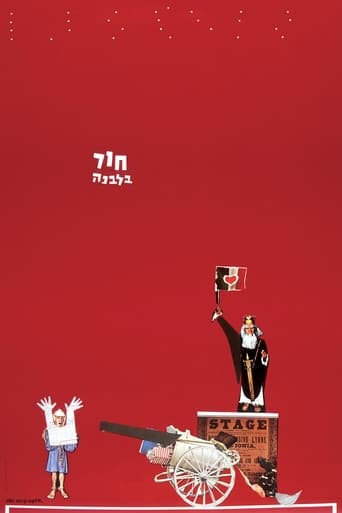
חור בלבנה (1964)
A comic and episodic satire, the film uses improvisation to illustrate the clash between fantasy and reality in real life. Although conceived in the style of Mekas’ “Hallelujah the hills” (1962), it’s an authentically Israeli satire, an openly rebellious and individualistic expression that poked fun at the sacred myths of earlier zionist films. The technique of film within the film is used to portray cinema as reflection of the imagination, a miracle based on dreams and fantasies that take on concrete characteristics – parallel to the miracle of Israel, the dream that has become reality. Although not a commercial success, its importance is beyond any measure, though it remains a unique experiment, boldly uncommercial and subversive, out of any context in that patriotic, ideological epoch.
출연진
- אורי זוהר
- Arik Lavie
- Shmulik Kraus
- Israel Gurion
- שייקה אופיר
- Shoshik Shani
- Avraham Heffner
- Shoshana Shani-Lavie
- Zeev Berlinsky
- Yael Aviv
- Amos Avni
- Dahn Ben Amotz
흥미로운 사실
Hole in the Moon is a 1964 Israeli avant-garde-satiric movie directed by Uri Zohar. It was the first film to emerge from the New Sensibility movement in Israeli cinema.
Production
The film was heavily influenced by the French New Wave, particularly the films of Jean-Luc Godard. It was a response to the Zionist dramas of the 1950s, and satirizes the form by showing the production of one of these films. Hole in the Moon is an avant-garde film, incorporating elements of metacinema and direct commentary on narrative cinema itself.
The sculptor Igael Tumarkin was hired to design the set, with French composer Michel Colombier contributing the score.
The film includes scenes filmed at Café Kassit in Tel Aviv, where young women audition for a film role. The film also includes documentary footage.
위키백과에서 더 읽기 · 텍스트 출처: 위키백과, CC BY-SA 4.0. 데이터 출처: Wikidata.
추천
- 라이프 오브 브라이언 1979 · ★ 7.8
- 애프터번: 멸망의 땅 2025 · ★ 6.2
- 2분의 명성 2020 · ★ 6.6
- Chris Rock: Bring the Pain 1996 · ★ 7.2
- Aziz Ansari: Intimate Moments for a Sensual Evening 2010 · ★ 6.8
- 포화 속의 텔아비브 2018 · ★ 6.7
- Aziz Ansari: Live at Madison Square Garden 2015 · ★ 6.5
- 아메리칸 드리머 2022 · ★ 6.0
- 달 위의 아마존 여인 1987 · ★ 5.9
- 사관생도 켈리 2002 · ★ 6.2
- 드라이버스 에드 2026 · ★ 6.9
- 크리스 델리아: 구제불능 2015 · ★ 6.1