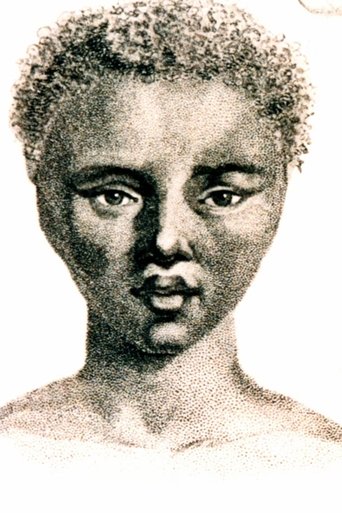
The Life and Times of Sara Baartman (1998)
In 1810, 20 year old Sara Baartman got on a boat from Cape Town to London, unaware that she would never see her home again, or that she would become the icon of racial inferiority and black female sexuality for the next 100 years. Four years later, she became the object of scientific research that formed the bedrock of European ideas about BFS. She died the next year, but even after her death, Sara remained an object of imperialist scientific investigation. In the name of Science, her sexual organs and brain were preserved and displayed in the Musee de l'Homme in Paris until as recently as 1985. Using historical drawings, cartoons, legal documents, and interviews with noted cultural historians and anthropologists, this documentary deconstructs the social, political, scientific, and philosophical assumptions that transformed one young woman into a representation of savage sexuality and racial inferiority.
- Data de estreia
- 1998-09-16
- TMDB
- 8.0 / 10 (1)
- Duração
- 53 min
- Géneros
- Documentário
- Realizador
- Zola Maseko
Elenco
Curiosidades
The Life and Times of Sarah Baartman is a 1998 South African documentary film directed by Zola Maseko.
Production
Zola Maseko travelled to Paris to look at a plaster cast of Baartman's body at the Musee de l'Homme. In order to not replicate the objectification that the woman herself experienced, he decided not to film the cast in the nude. Instead, Maseko persuaded an African museum worker to let him use her robe to help keep some dignity for Baartman. Maseko worked on the film for seven years.
Ler na Wikipédia · Texto da Wikipédia, CC BY-SA 4.0. Dados do Wikidata.
Recomendados
- Feminists: What Were They Thinking? 2018 · ★ 7.5
- Bettie Page Reveals All 2013 · ★ 6.8
- Fuck 2006 · ★ 6.4
- Naqoyqatsi - Vida em Guerra 2002 · ★ 6.2
- Eu Sou Ali: A História de Muhammad Ali 2014 · ★ 6.7
- Em Que Pensam os Cães 2024 · ★ 7.0
- Skin: A History of Nudity in the Movies 2020 · ★ 6.5
- É Feliz o Homem Que é Alto? 2013 · ★ 6.9
- McQueen 2018 · ★ 7.4
- A 13ª Emenda 2016 · ★ 7.8
- The Red Pill 2016 · ★ 7.5
- Anna Nicole Smith: Ninguém Me Conhece 2023 · ★ 6.1