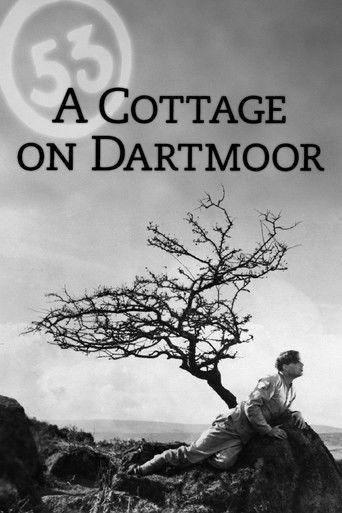
A Cottage on Dartmoor (1929)
A jealous barber's assistant becomes enraged by the attentions the manicurist he's obsessed with and a repeat customer pay to one another.
- Date of release
- 1929-10-01
- TMDB
- 7.2 / 10 (32)
- Runtime
- 1h 28m
- Genres
- Thriller, Drama, Crime
- Director
- Anthony Asquith
Casting
- Norah Baring — Sally, a Manicurist
- Uno Henning — Joe, a Barber's Assistant
- Hans Adalbert Schlettow — Harry, a Dartmoor Farmer
- Anthony Asquith — Bespectacled Man in Cinema (uncredited)
- Judd Green — Customer (uncredited)
Interesting facts
A Cottage on Dartmoor is a 1929 British part-talkie sound film, directed by Anthony Asquith and starring Norah Baring, Uno Henning and Hans Adalbert Schlettow. The cameraman was Stanley Rodwell. In addition to a sequence with audible dialogue or a talking sequence, the film also featured a synchronized musical score with sound effects and English intertitles. The soundtrack was recorded with the Tobis-Klangfilm sound-on-film system which used the Tri-Ergon sound recording process. A cut-down edited silent version was made for theatres that had not yet converted to sound, but this version is no longer extant.
Production
Dartmoor locations were used for exterior filming, while interior work was shot at Welwyn Studios near London. The three main actors were English (Baring), Swedish (Henning) and German (Schlettow). It was the only British film for Henning and Schlettow.
A Cottage on Dartmoor uses flashback technique, opening with Joe's flight from prison before going back to reveal the core events which led to him being there. The action finally returns to the present and Joe's death, framing the historical with the current.
The central cinema sequence in the film is noted for its reflection of the seminal transitional period in cinema history when the advent of talkies was revolutionising the industry but silent and talkie films still existed side by side. The first film on the bill at the cinema is a silent comedy, with full orchestral accompaniment, and the audience are shown laughing uproariously.
Writing in The New York Times in 2007, critic Dave Kehr surmised that "many filmmakers, Asquith apparently included, believed that silent storytelling had reached such a high level of refinement that mere chatter would never be enough to extinguish it."
Read on Wikipedia · Text from Wikipedia, CC BY-SA 4.0. Data from Wikidata.
Recommended
- Killer's Kiss 1955 · ★ 6.3
- Gaslight 1944 · ★ 7.5
- Islands 2025 · ★ 6.1
- The Parts You Lose 2019 · ★ 6.6
- Brute Force 1947 · ★ 7.3
- The Stranger 2022 · ★ 6.2
- The Truth About Emanuel 2013 · ★ 6.0
- Obsession 1976 · ★ 6.7
- Insomnia 2002 · ★ 7.0
- The Gift 2015 · ★ 6.7
- The House on Carroll Street 1988 · ★ 6.0
- The Seven-Ups 1973 · ★ 6.3